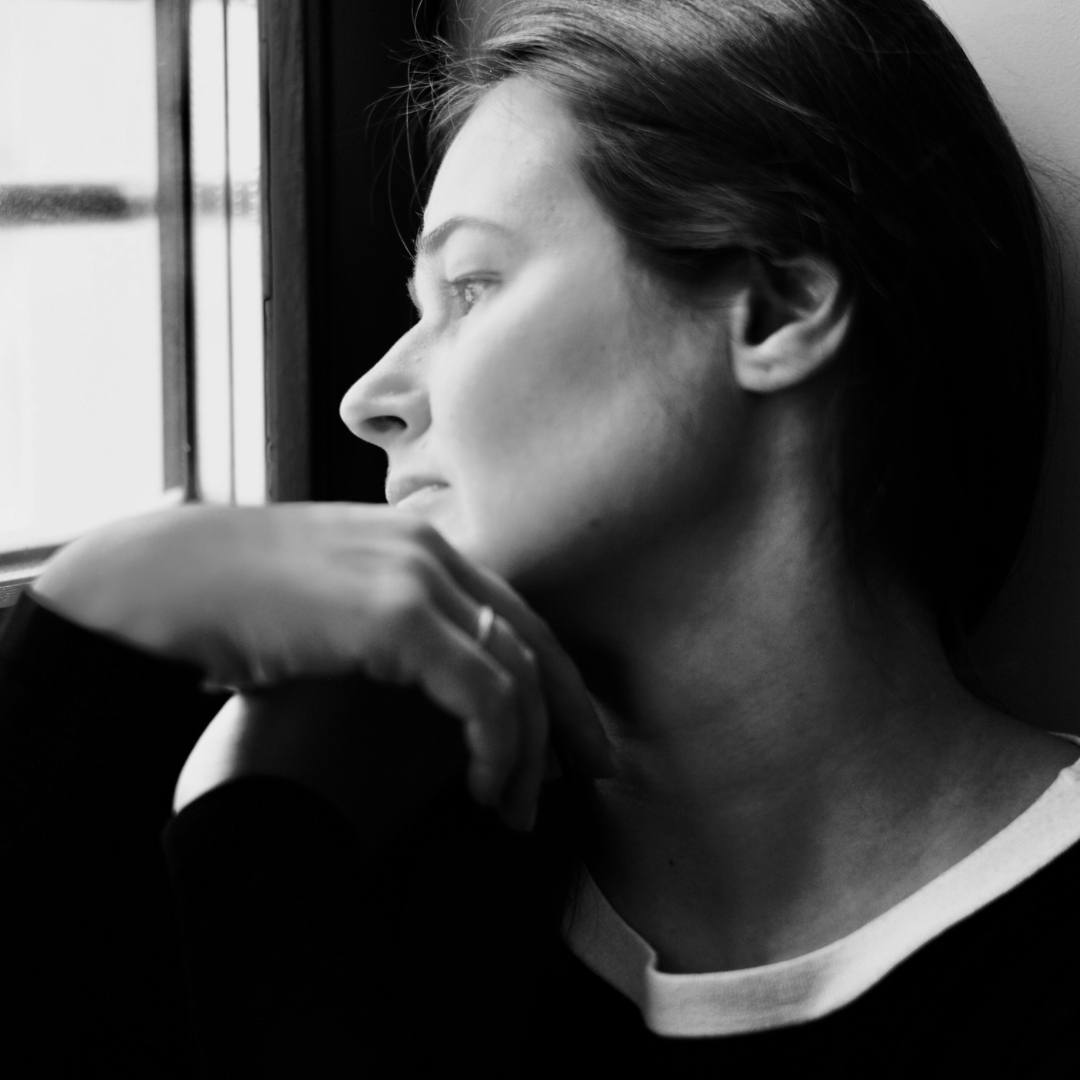
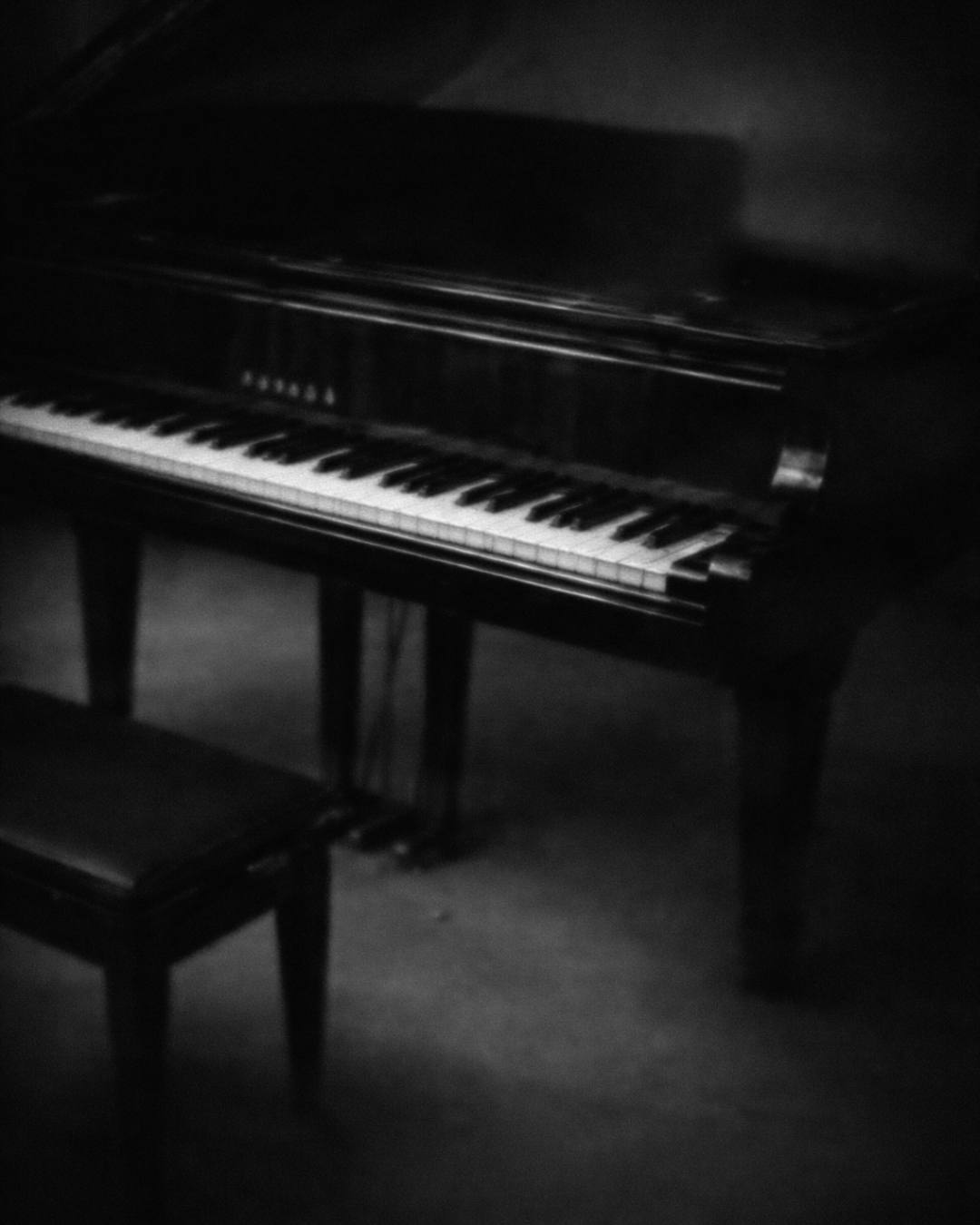




In Alla Linares’s music, there is a search for clarity and an intensity that reveals itself without stridency. Her compositions are shaped by a sensibility that understands sound not as display, but as presence. On the occasion of her concert at RI HOUSE on April 15, the composer and performer reflects on her relationship with the piano, the role of silence, and the way music can transform our perception of space.
WHAT PLACE DOES THE PIANO OCCUPY IN YOUR LIFE TODAY?
The piano is both my instrument of expression and my source of inspiration. It is where ideas appear and emotion takes shape.
IF YOU HAD TO DESCRIBE YOUR WAY OF PLAYING IN THREE WORDS, WHICH WOULD THEY BE?
Listening. Introspective. Magnetism is my purpose. Magnetism versus technique. Technique is the vehicle. Magnetism is what makes people care and listen.
WHAT DO YOU HOPE TO AWAKEN IN THOSE WHO LISTEN?
A sense of inner space. I hope the listener can slow down, enter a moment, and stay there for a while.
WHAT ROLE DOES SILENCE PLAY IN YOUR INTERPRETATION?
Silence is part of music. It creates tension, expectation, and space for the sound to resonate in the listener.
HOW DOES A SPACE INFLUENCE THE WAY YOU PLAY?
Every space has its own acoustic personality and emotional atmosphere. I always listen to the room before I perform. There are truly inspiring spaces. They make you dream of playing there.
WHAT DOES IT MEAN TO YOU TO PERFORM IN RI HOUSE?
I am very excited. RI HOUSE feels emotionally like “my space,” with a language and concept that feel deeply familiar to me. We share the same belief that less can hold more. Rifé’s philosophy is about each object posing a question. My music does the same: in two or three minutes, listeners suddenly start thinking about something that matters. I believe my music works the way the objects at RI HOUSE do: compact in form, but demanding presence. Not as ambient background, but as an invitation to stop, think, feel, and truly listen.
CAN MUSIC TRANSFORM THE PERCEPTION OF A SPACE?
Yes, music profoundly transforms our perception of space. Sound waves interact with physical space in measurable ways. Reverberation and resonance reveal a room’s dimensions, materials, even geometry. But when speaking about music and architecture, I think of them as partners; their relationship goes both ways. Bach, for example, wrote music shaped by the space of the cathedral he was composing for. So the short answer is this: music does not simply transform or accompany a space; it becomes part of the space, rewriting how our brains interpret everything around us.


